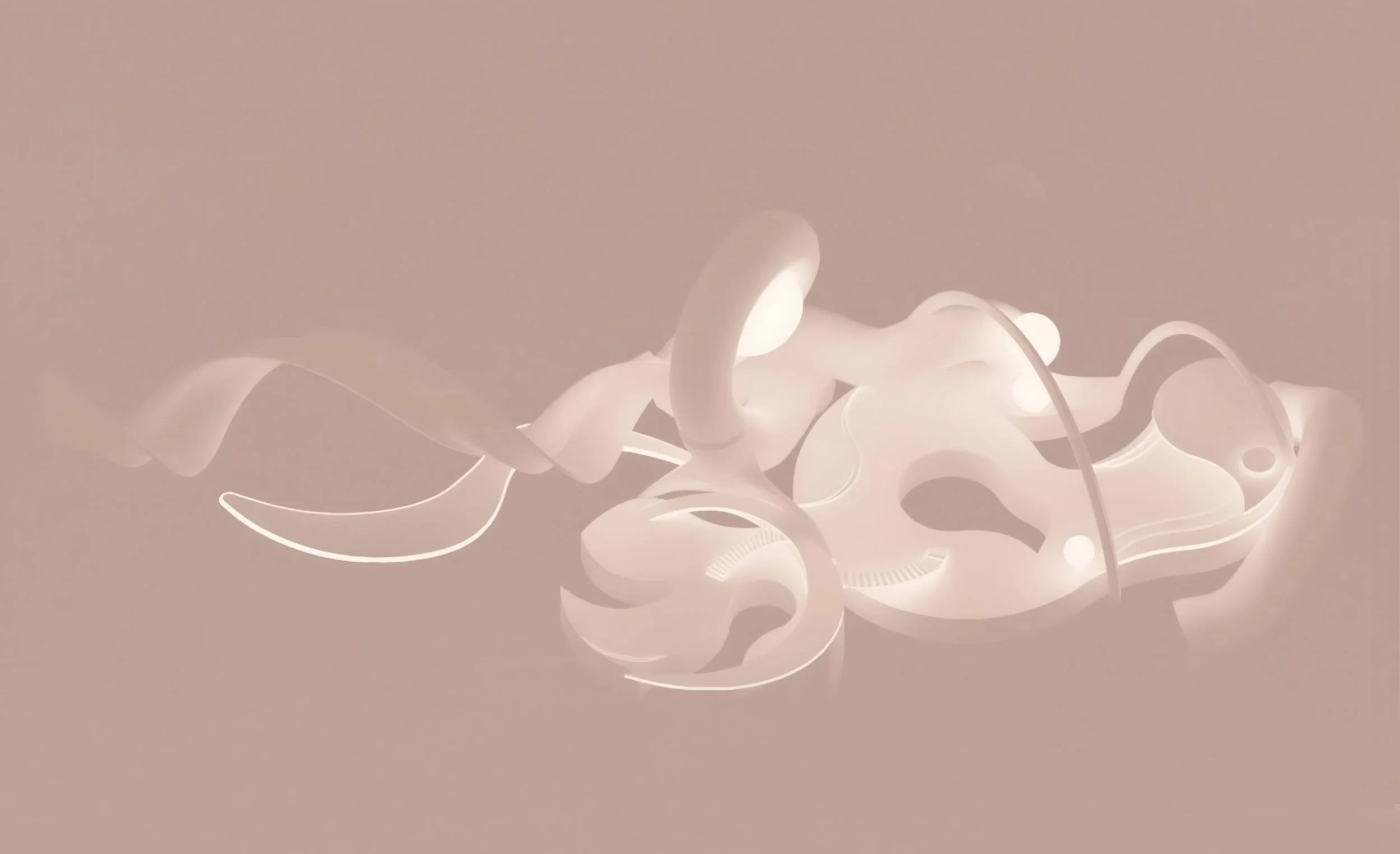
UDARA
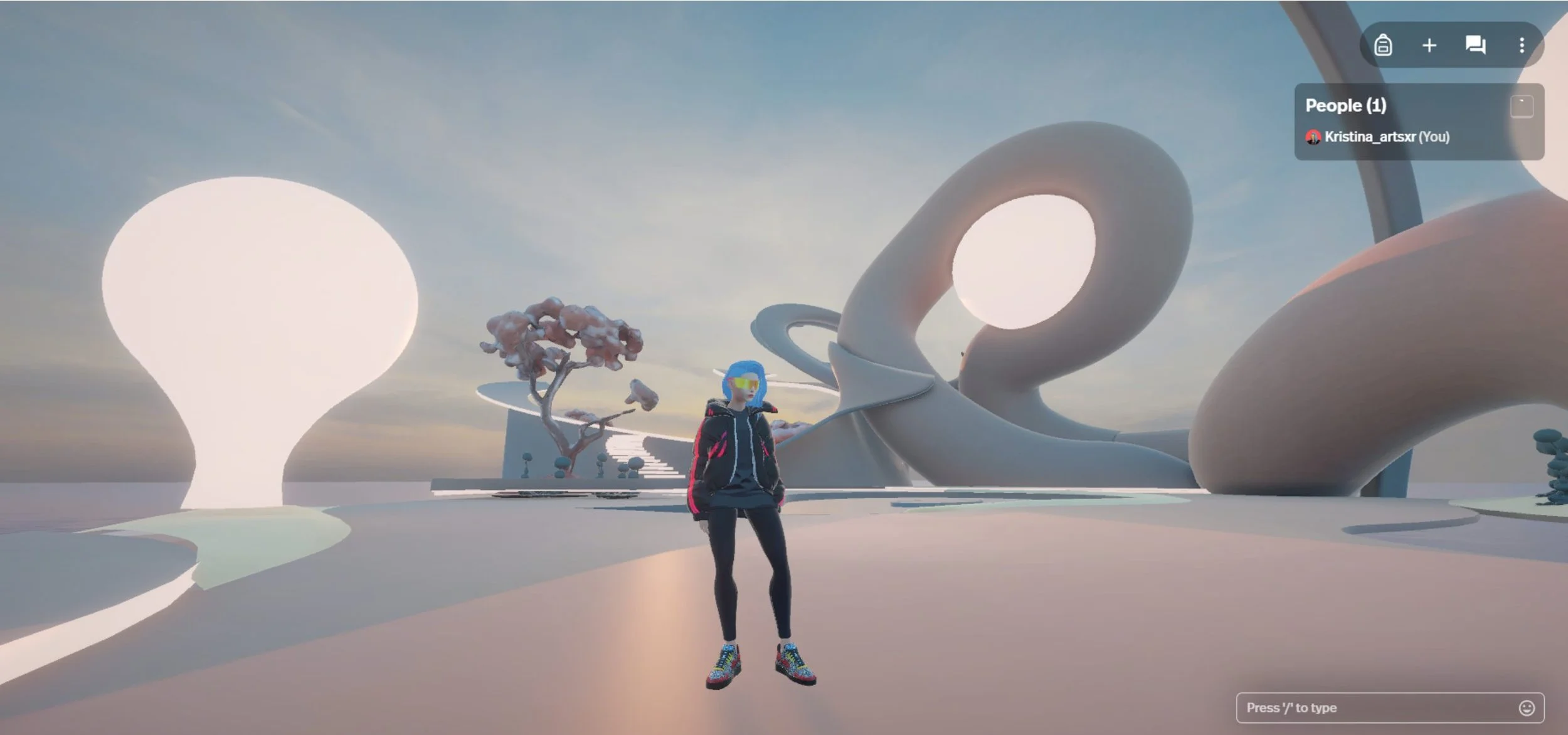
Built for PossibilityUdara began as a competition entry for the Singapore National Gallery and evolved into an exploration of how AI serves as a creative collaborator. Working with Kristina Thiele, we designed a meditation experience where users can explore two levels, guided by voice narration, creating form from the concepts of calmness and air.
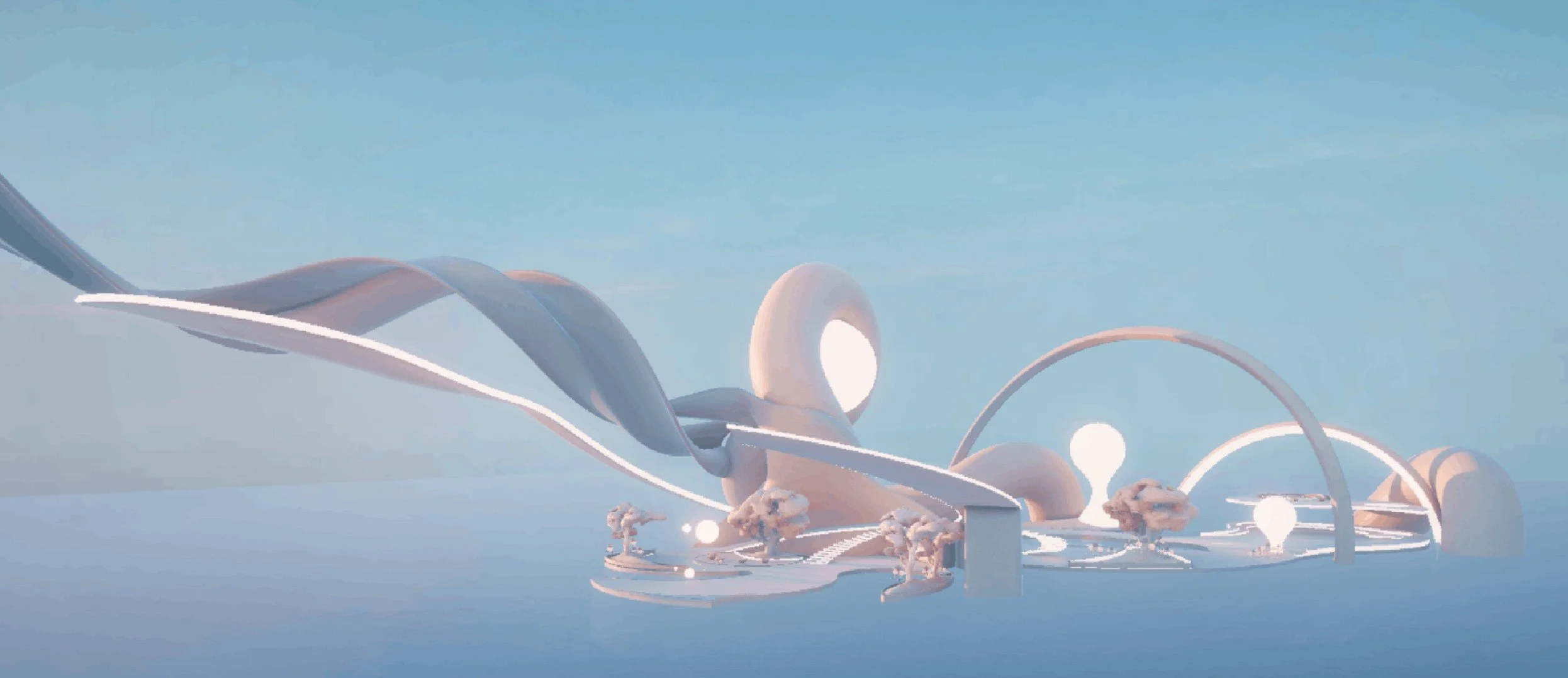
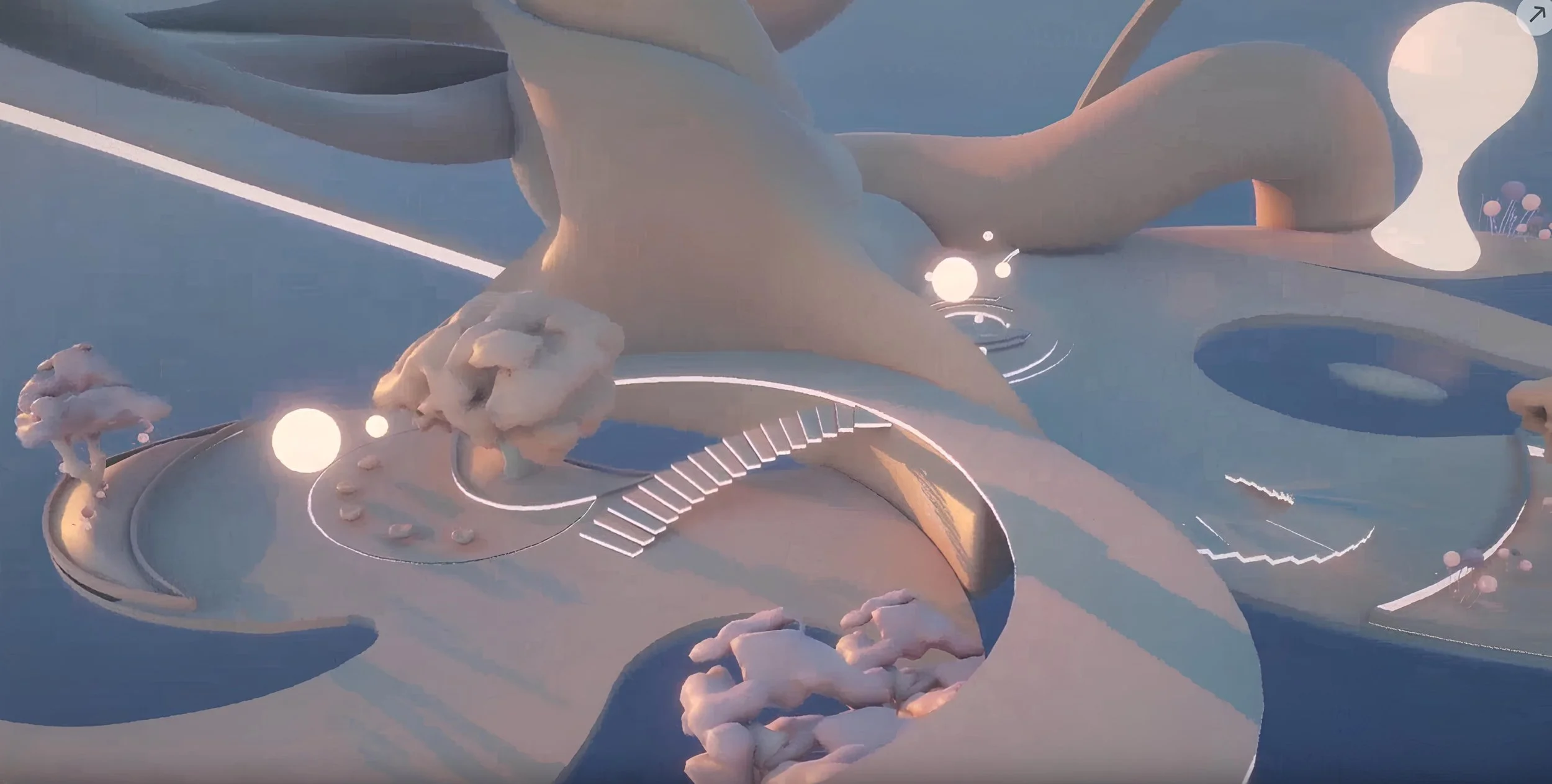
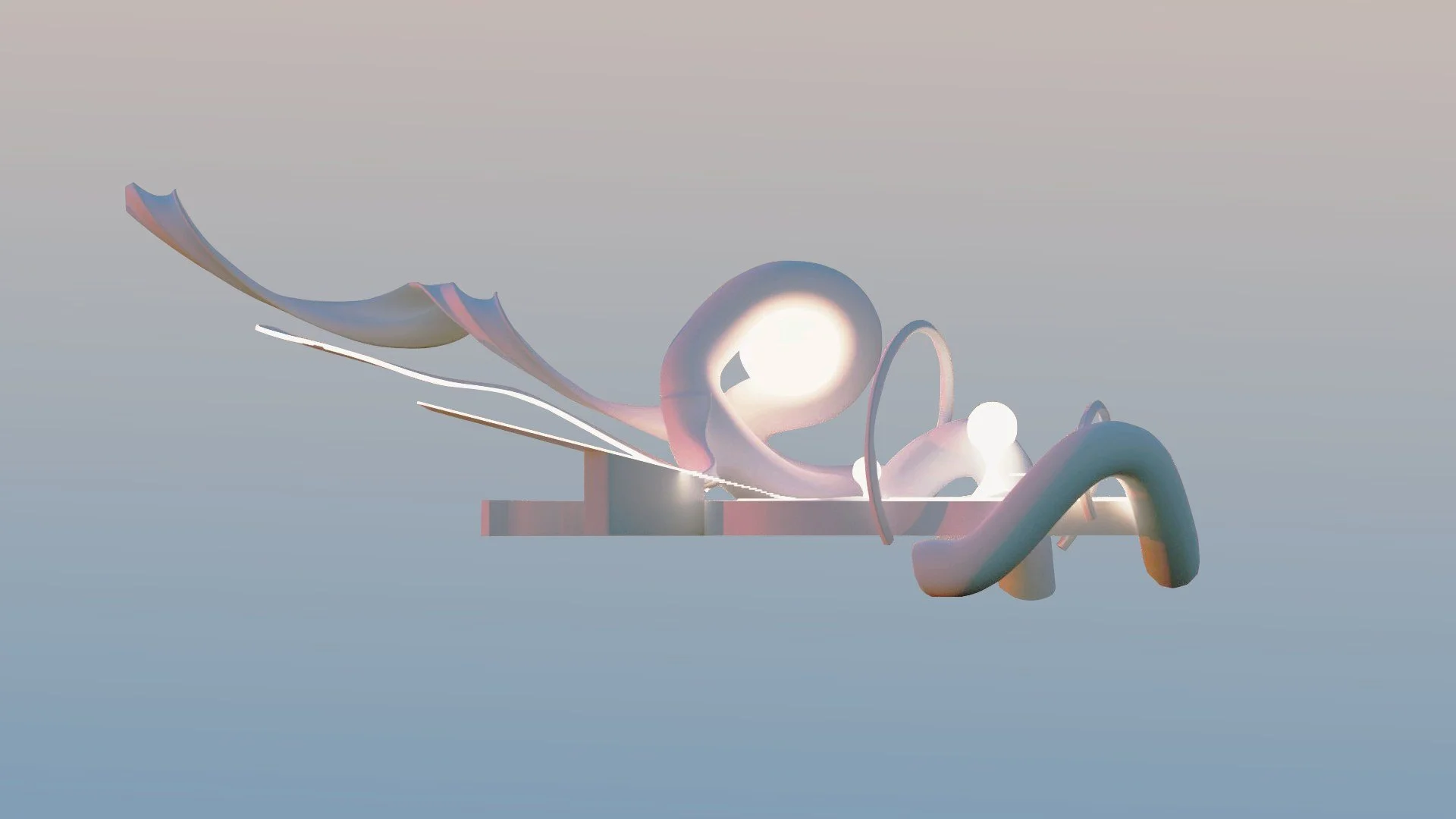
Sketches & Inspiration
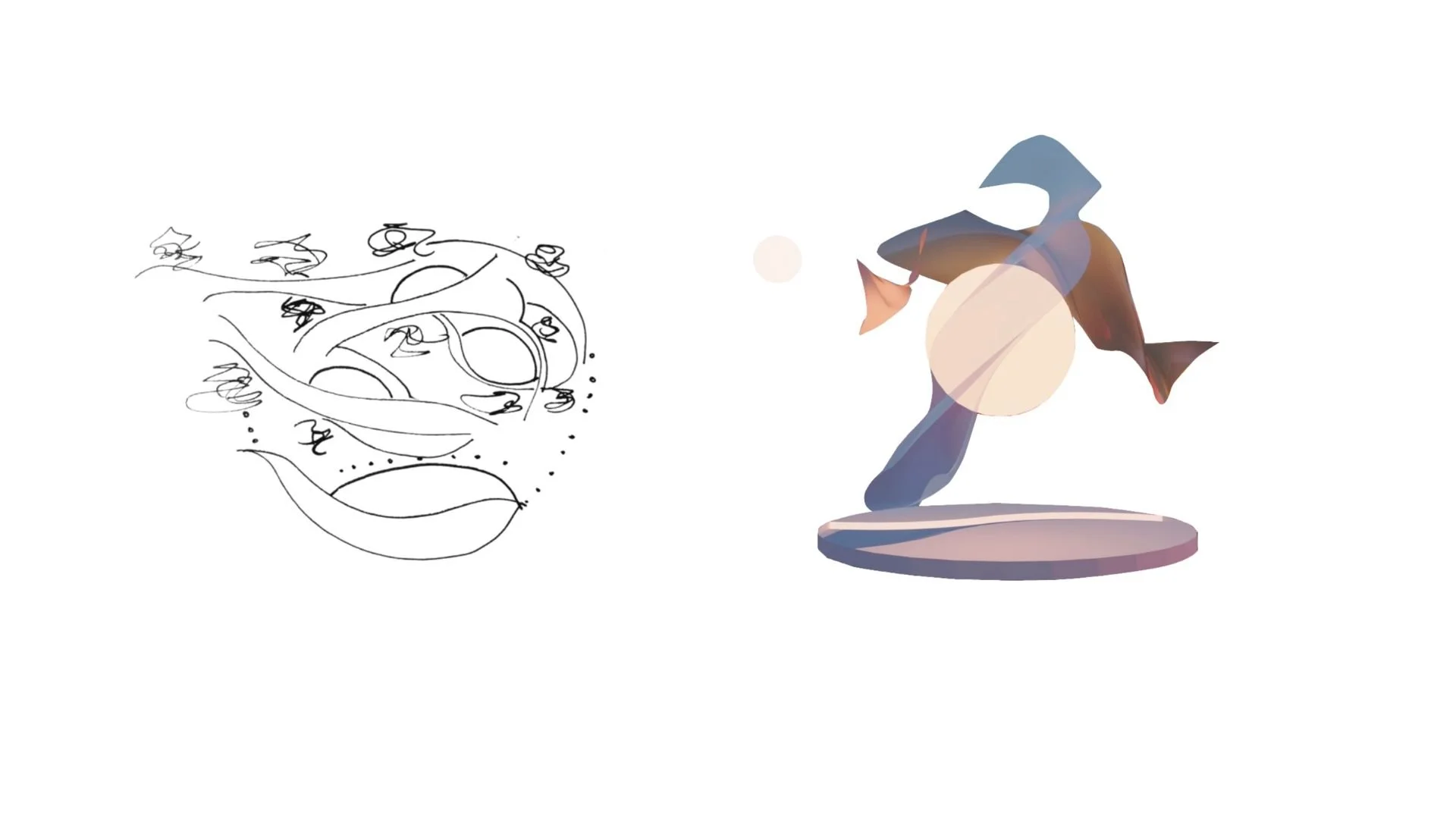
Starting from a sketch and a small 3D sphere, we used Midjourney to generate concepts from our 3D models, then built the full experience in Blender and Unity using Runway, ChatGPT, and voice direction from Maria Garcia.
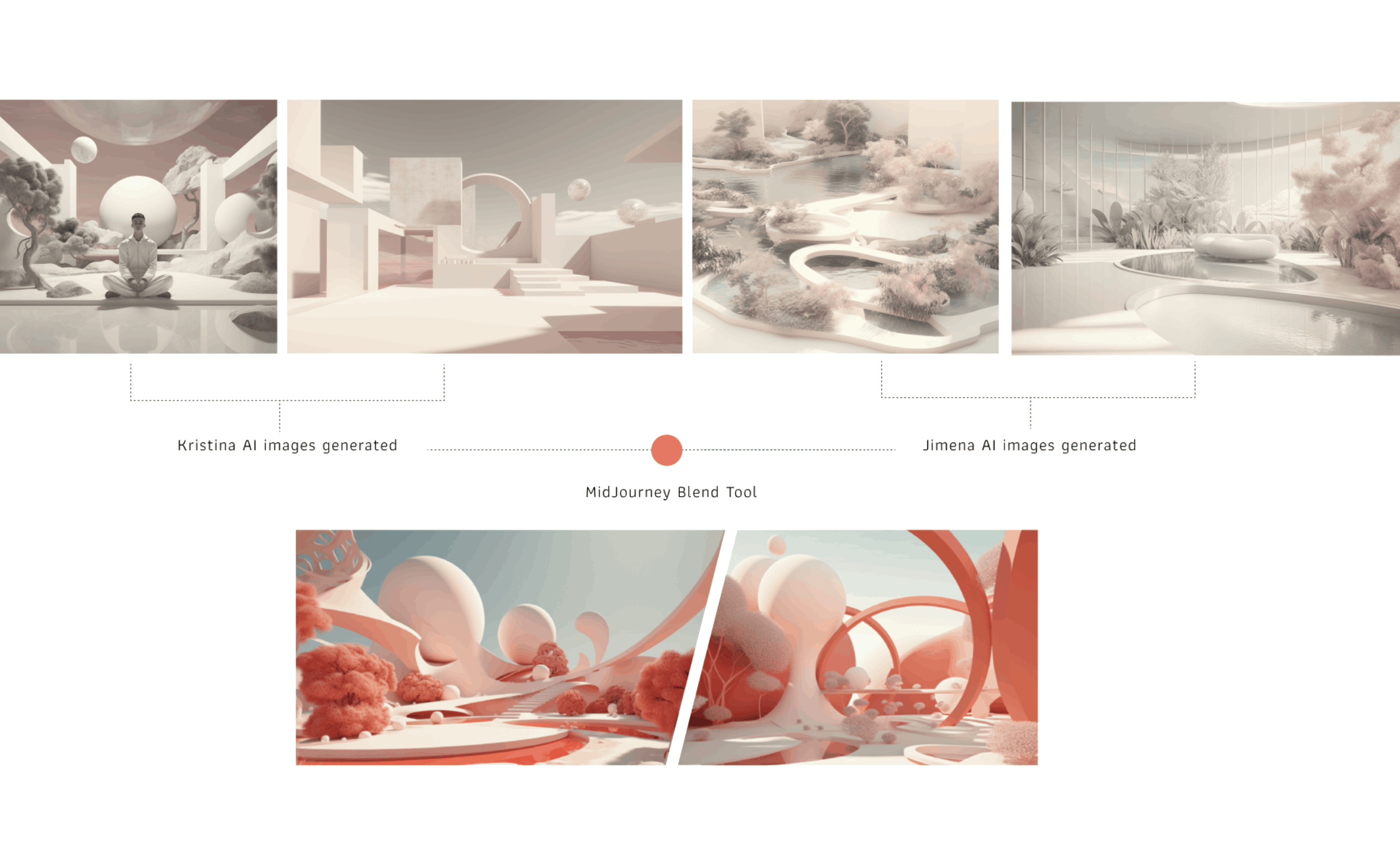
From process to final ProductThis project explored using AI not as a shortcut but as a creative partner — generating, iterating, and blending ideas between two people with different perspectives. In times of emerging technology, we wanted to show different narratives beyond gaming, creating accessible spaces for mindfulness and well-being through immersive design.
Udara
Immersive Meditation